Exploring the Various Kinds of Dining Table Legs Timber for Your Eating Area
The choice of eating table legs timber can greatly affect both the useful and aesthetic high qualities of your eating area. Solid timber alternatives, such as oak and walnut, supply a classic appearance with unequaled toughness, while crafted wood options provide innovative layouts that mimic the richness of natural grains. In addition, the growing trend of redeemed wood presents a sustainable component that interest environmentally aware consumers. As we discover these numerous alternatives, it ends up being necessary to take into consideration not just the aesthetic appeal yet also the useful effects of each product selection. What elements should assist your decision?
Solid Timber Options
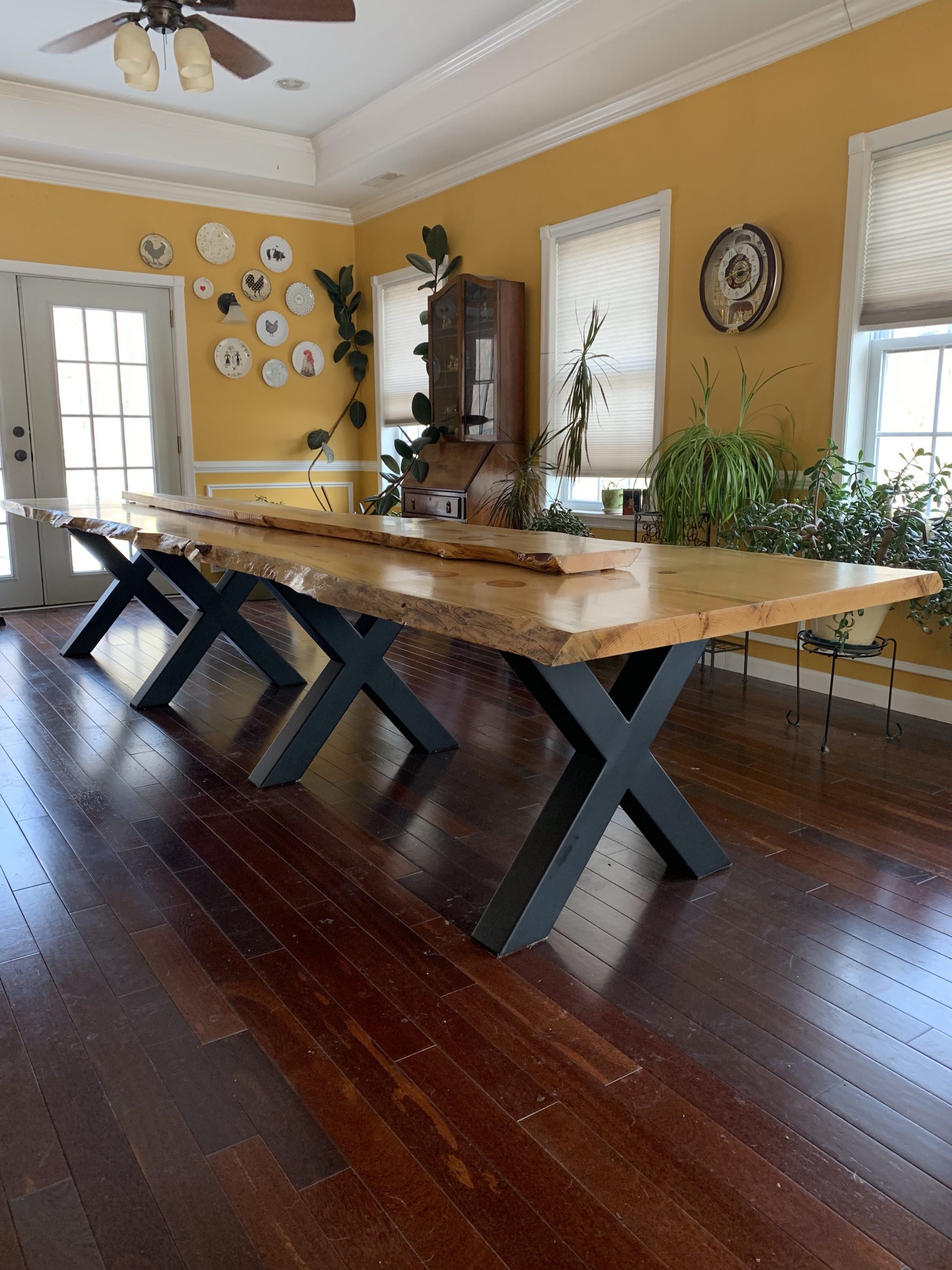
Unlike engineered products, strong timber is much less vulnerable to bending and damages over time when appropriately maintained. Each piece of solid timber is one-of-a-kind, showcasing specific characteristics that include to the beauty and personality of the eating table.
In addition, solid wood can be finished in numerous methods, varying from natural oils to stained coatings, enabling home owners to personalize their furniture to match their decor. In summary, choosing strong wood for dining table legs not only makes sure architectural stability however also enhances the visual appeal of the dining location, making it a worthwhile financial investment for any kind of home.
Engineered Wood Alternatives
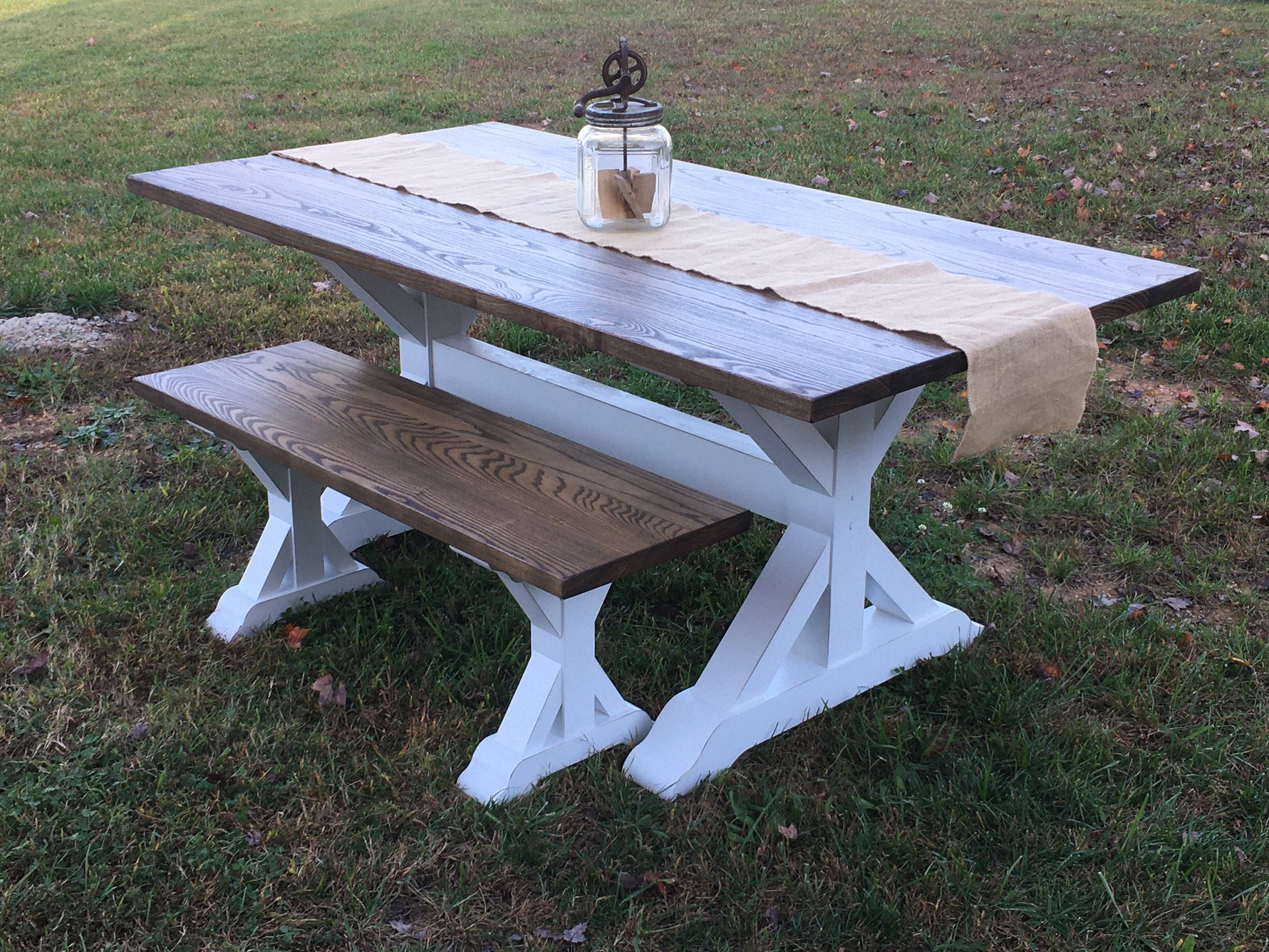
Plywood, built from several layers of wood veneer, is secure and especially strong, making it an outstanding choice for eating table legs. Its split make-up enables it to endure changes in moisture and temperature better than standard solid timber. MDF, on the other hand, provides a smooth surface area for paint or veneering, enabling developers to accomplish a polished appearance while preserving structural stability.
When picking crafted timber choices, it is necessary to consider the intended use and wanted visual. These products not just improve the capability of eating rooms but likewise enable for higher design adaptability, guaranteeing that modern and typical designs can exist together sympathetically.
Reclaimed Wood Features
Reclaimed wood provides a distinct blend of sustainability and character, making it a significantly popular choice for eating table legs. Sourced from old barns, manufacturing facilities, and other structures, recovered wood embodies a history that new materials just can not replicate. Each item lugs its very own story, marked by distinct imperfections, knots, and differing grain patterns, which contribute to a table's special aesthetic appeal.
Along with its visual beauty, redeemed wood is an ecologically friendly option. By repurposing previously utilized materials, it lowers the demand for new lumber, hence assisting to conserve woodlands and lessen waste. This lines up with a growing customer preference for sustainable methods in furniture.
In addition, reclaimed timber is commonly a lot more durable than recently gathered wood as a result of its age. The all-natural drying process that recovered wood undertakes cause a denser and stronger product, making it less prone to warping and splitting. This improves the longevity their explanation of eating tables, allowing them to hold up against the roughness of everyday use.
Softwood vs. Wood
When picking dining table legs, understanding the distinctions between softwood and wood is important for achieving both aesthetic and functional goals. Softwoods, stemmed from coniferous trees, such as want and cedar, are characterized by their lighter weight and simplicity of adjustment. They usually display an even more rustic look, making them appropriate for informal or country-style eating areas. Softwoods are typically much less durable than hardwoods, which can be a consideration for family members or those looking for longevity in their furniture.
On the various other hand, woods, sourced from deciduous trees like cherry, oak, and maple, are renowned for their density, stamina, and durability. The intricate grain patterns and rich colors of woods supply a timeless and sophisticated appeal, making them excellent for official eating settings. While hardwoods tend to be more expensive and larger, their strength versus damage commonly validates the investment.
Eventually, the choice in between softwood and wood for dining table legs ought to align with your layout vision, use needs, and budget plan, guaranteeing that your dining room mirrors your individual design while remaining useful gradually.
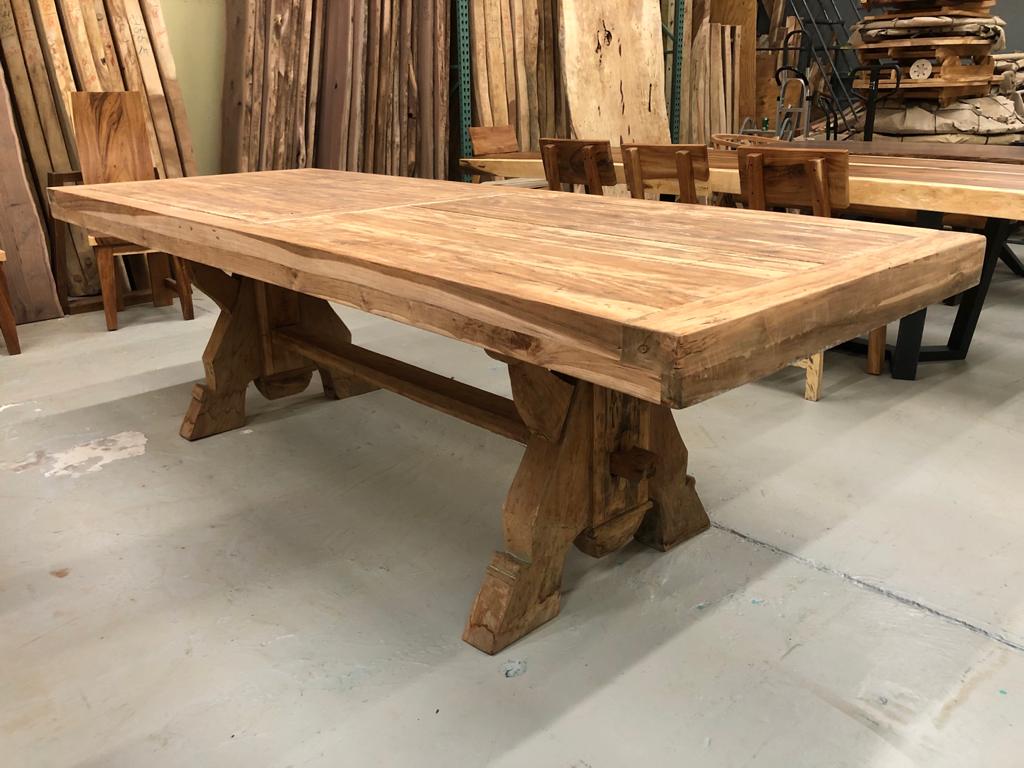
Treatments and finishes
The aesthetic charm and long life of table legs can be substantially enhanced through various finishes and treatments. These procedures not just shield the wood from damages yet likewise raise its look, enabling it to complement varied indoor designs.
One typical treatment is tarnishing, which passes through the timber and improves its all-natural grain while including shade. Spots offer a rich, elegant look, additional resources making it possible for property owners to match their furniture with existing style. Alternatively, clear finishes such as polyurethane or varnish develop a protective layer without altering the timber's initial color, making sure sturdiness against damage.
Furthermore, all-natural oils, like tung or linseed oil, nurture the wood and offer a refined luster, all while being eco-friendly. These oils permit the surface to breathe, avoiding wetness build-up and prospective bending.
For those looking for a rustic appeal, distressed or weather-beaten surfaces can be used to create an aged appearance, adding character to the item. Inevitably, the choice of coatings and therapies depends upon individual preference, preferred aesthetics, and the certain wood kind, making it important to take into consideration these aspects when picking dining table legs for your room.
Verdict
In verdict, the option of table leg materials significantly influences both the practical and visual facets of a dining area. Strong woods, engineered choices, and recovered choices each deal distinct advantages, catering to numerous preferences and requirements. Understanding the differences in between woods and softwoods, together with ideal coatings and treatments, enables for notified decision-making. Eventually, the selection of wood kind need to straighten with desired style, sturdiness, and ecological factors to consider, boosting the total eating experience.
The selection of eating table legs timber can profoundly influence both the visual and practical top qualities of your eating area - Dining Table Legs Wood. Solid wood look these up options, such as oak and walnut, provide a classic look with unrivaled toughness, while engineered wood alternatives offer innovative designs that mimic the splendor of all-natural grains. Solid timber offers a classic top quality that can raise the general style of a dining room. Each piece of solid timber is special, showcasing private qualities that add to the appeal and personality of the dining table
In addition, redeemed timber is commonly much more durable than freshly gathered wood due to its age.